What to Look for in a Quality Dental Clinic
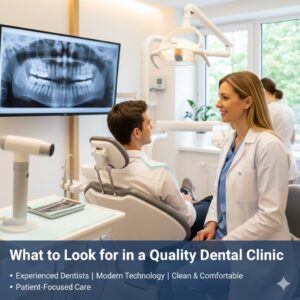
Oral health is an essential part of overall well-being, yet choosing the right dental clinic is a decision many people make without much consideration. A quality dental clinic does more than treat toothaches—it provides preventive care, ensures patient safety, offers professional guidance, and helps maintain long-term oral health.
With numerous dental clinics available, identifying the right one can feel overwhelming. This article outlines the key factors to consider when selecting a quality dental clinic that meets your needs and supports your long-term dental health.
Why Choosing the Right Dental Clinic Matters
A dental clinic plays a critical role in maintaining healthy teeth, gums, and oral tissues. Regular dental care can help prevent serious issues such as gum disease, tooth loss, infections, and even complications linked to general health.
Choosing a reputable dental clinic ensures:
- Accurate diagnosis and treatment
- Proper hygiene and safety standards
- Professional and ethical dental care
- A positive and comfortable patient experience
The right clinic contributes not only to better oral health but also to confidence and quality of life.
Qualified and Experienced Dental Professionals
Licensing and Credentials
One of the most important indicators of a quality dental clinic is the qualification of its dental professionals. Dentists and dental hygienists should be properly licensed and trained according to national or regional regulations.
A reputable clinic is transparent about:
- Dentist qualifications and certifications
- Professional memberships
- Years of experience
Qualified professionals are better equipped to diagnose issues accurately and recommend appropriate treatments.
Ongoing Training and Expertise
Dentistry continues to evolve with new techniques and technologies. A quality clinic encourages continuous professional development, ensuring its staff stay updated with modern dental practices.
This commitment reflects a dedication to providing safe, effective, and up-to-date care.
Range of Dental Services Offered
Comprehensive Care
A good dental clinic should offer a broad range of services to address different oral health needs. These may include:
- Routine dental check-ups and cleanings
- Preventive care
- Restorative treatments
- Cosmetic dental services
- Pediatric dental care
Having multiple services available in one clinic improves convenience and continuity of care.
Preventive-Focused Approach
Quality dental clinics emphasize prevention rather than only treatment. Preventive care helps detect issues early, reducing the need for complex procedures later.
A prevention-focused clinic provides education on oral hygiene, dietary habits, and regular dental maintenance.
Cleanliness and Hygiene Standards
Infection Control Practices
Cleanliness is a non-negotiable factor when evaluating a dental clinic. Proper sterilization and infection control practices protect patients from cross-contamination and infections.
A quality dental clinic maintains:
- Sterilized instruments
- Clean treatment rooms
- Proper disposal of medical waste
- Adherence to infection control guidelines
Patients should feel confident that safety is a top priority.
Overall Clinic Environment
Beyond clinical areas, waiting rooms and restrooms should also be clean and well-maintained. A hygienic environment reflects professionalism and attention to patient well-being.
Modern Equipment and Technology
Up-to-Date Dental Tools
Advanced dental equipment improves accuracy, comfort, and efficiency. While modern technology alone does not guarantee quality care, it enhances diagnosis and treatment outcomes.
A well-equipped dental clinic may use:
- Digital imaging tools
- Modern dental chairs and instruments
- Updated diagnostic systems
Technology helps reduce discomfort and improves the overall patient experience.
Balanced Use of Technology
A quality clinic balances technology with professional judgment. Tools should support care—not replace thorough examination and patient communication.
Clear Communication and Patient Education
Transparent Explanations
A good dental clinic prioritizes communication. Dentists should clearly explain diagnoses, treatment options, and expected outcomes in simple, understandable terms.
Patients should feel comfortable asking questions and receiving honest answers without pressure.
Informed Decision-Making
Quality clinics involve patients in their treatment decisions. Instead of pushing unnecessary procedures, they provide options and allow patients to make informed choices.
This approach builds trust and encourages long-term patient relationships.
Comfort and Patient Experience
Friendly and Supportive Staff
The attitude of clinic staff significantly impacts the patient experience. From receptionists to dental assistants, staff should be courteous, respectful, and helpful.
A welcoming environment reduces anxiety and encourages regular dental visits.
Managing Dental Anxiety
Many people feel anxious about dental visits. A quality dental clinic recognizes this and takes steps to make patients feel at ease through gentle communication, patience, and reassurance.
Comfort-focused care improves patient confidence and satisfaction.
Appointment Scheduling and Accessibility
Flexible Scheduling
Convenient appointment scheduling is an important consideration. A quality dental clinic respects patients’ time and offers flexible scheduling when possible.
Key features may include:
- Minimal waiting times
- Efficient appointment management
- Clear communication about delays
Efficiency reflects respect for patients and professionalism.
Location and Accessibility
A conveniently located clinic with easy access, parking, or public transportation adds to overall convenience—especially for families, seniors, or individuals with mobility challenges.
Pricing Transparency and Payment Options
Clear Cost Information
Dental care costs should be explained clearly before treatment begins. A reputable clinic provides transparent pricing and avoids hidden charges.
Patients should understand:
- Treatment costs
- Available alternatives
- Payment expectations
Transparency fosters trust and avoids misunderstandings.
Insurance and Payment Flexibility
A quality dental clinic accommodates different payment options and clearly explains insurance processes if applicable. Flexibility can make dental care more accessible and stress-free.
Reputation and Patient Reviews
Community Feedback
Patient reviews and recommendations offer valuable insight into a clinic’s quality. While individual experiences vary, consistent feedback patterns can highlight strengths and weaknesses.
Look for comments related to:
- Professionalism
- Cleanliness
- Communication
- Treatment satisfaction
A strong reputation often reflects reliable and ethical care.
Longevity and Stability
Clinics with a long-standing presence in the community often indicate trust and consistent service. Stability suggests patient satisfaction and professional reliability.
Ethical Standards and Patient-Centered Care
Honest Treatment Recommendations
A quality dental clinic prioritizes patient health over profit. Ethical dentists recommend treatments based on necessity, not sales targets.
Patients should feel confident that advice is genuine and aligned with their best interests.
Respect for Patient Autonomy
Patients should never feel pressured into procedures. Respect for patient choices and preferences is a hallmark of ethical dental care.
Special Considerations for Families and Children
Families may require pediatric dental services, child-friendly environments, and patient communication tailored to younger patients.
A quality family-oriented clinic provides:
- Gentle care for children
- Clear guidance for parents
- A supportive and calm environment
Early positive dental experiences encourage lifelong oral health habits.
Emergency Care and Support
Dental emergencies can occur unexpectedly. A good dental clinic provides guidance or availability for urgent dental concerns.
Clear emergency protocols demonstrate preparedness and patient commitment.
Building a Long-Term Dental Relationship
Choosing a quality dental clinic is not just about immediate treatment—it’s about building a long-term partnership in oral health.
A consistent dental provider understands your dental history, preferences, and needs, allowing for better continuity of care and preventive planning.
Final Thoughts
Selecting a quality dental clinic requires thoughtful consideration of professionalism, cleanliness, communication, accessibility, and ethical standards. The right clinic offers more than technical expertise—it provides trust, comfort, and long-term support for your oral health.
By taking the time to evaluate your options and prioritize quality care, you can ensure a positive dental experience and healthier smile for years to come.
A quality dental clinic is not just a service provider—it is a partner in your overall health and confidence.