For decades, the Fulbright Foreign Student Program has stood as one of the world’s most respected opportunities for international education and cultural exchange. Every year, thousands of motivated students, young professionals, and emerging leaders from around the globe dream of earning a place in this prestigious program. More than just a scholarship, Fulbright represents a gateway to personal growth, academic excellence, and meaningful global connections.
In today’s interconnected world, an international education can shape a student’s future in remarkable ways. The Fulbright Foreign Student Program offers exactly that—an opportunity to pursue graduate study or research in the United States while engaging with diverse cultures and ideas. For many scholars, the Fulbright experience becomes a turning point that opens doors to careers, networks, and opportunities they never imagined possible.
What Makes the Fulbright Program Unique?
Unlike many scholarships that focus solely on academic achievement, the Fulbright Program is built on the belief that education and cultural understanding go hand in hand. Scholars are not only selected for their academic potential but also for their leadership qualities, community involvement, and desire to create positive change.
The U.S. government funds the program with a mission to promote mutual understanding between people of the United States and other countries. This means the scholarship is not just about earning a degree—it’s about building bridges between cultures. Fulbrighters return home with new perspectives, new friendships, and a deeper appreciation for global cooperation.
Opportunities Offered Through the Program
Fulbright provides a wide range of academic pathways for selected scholars. While most participants pursue master’s or doctoral degrees, others engage in non-degree research projects or professional development programs. The fields of study are incredibly diverse, including STEM, the arts, social sciences, business, public policy, and more. There is room for scientists, artists, educators, entrepreneurs, and innovators of every kind.
In addition to academic support, Fulbright scholars receive funding that typically covers tuition, travel, living expenses, health insurance, and other educational costs. This comprehensive financial package allows students to focus fully on their academic goals without the stress of financial burden.
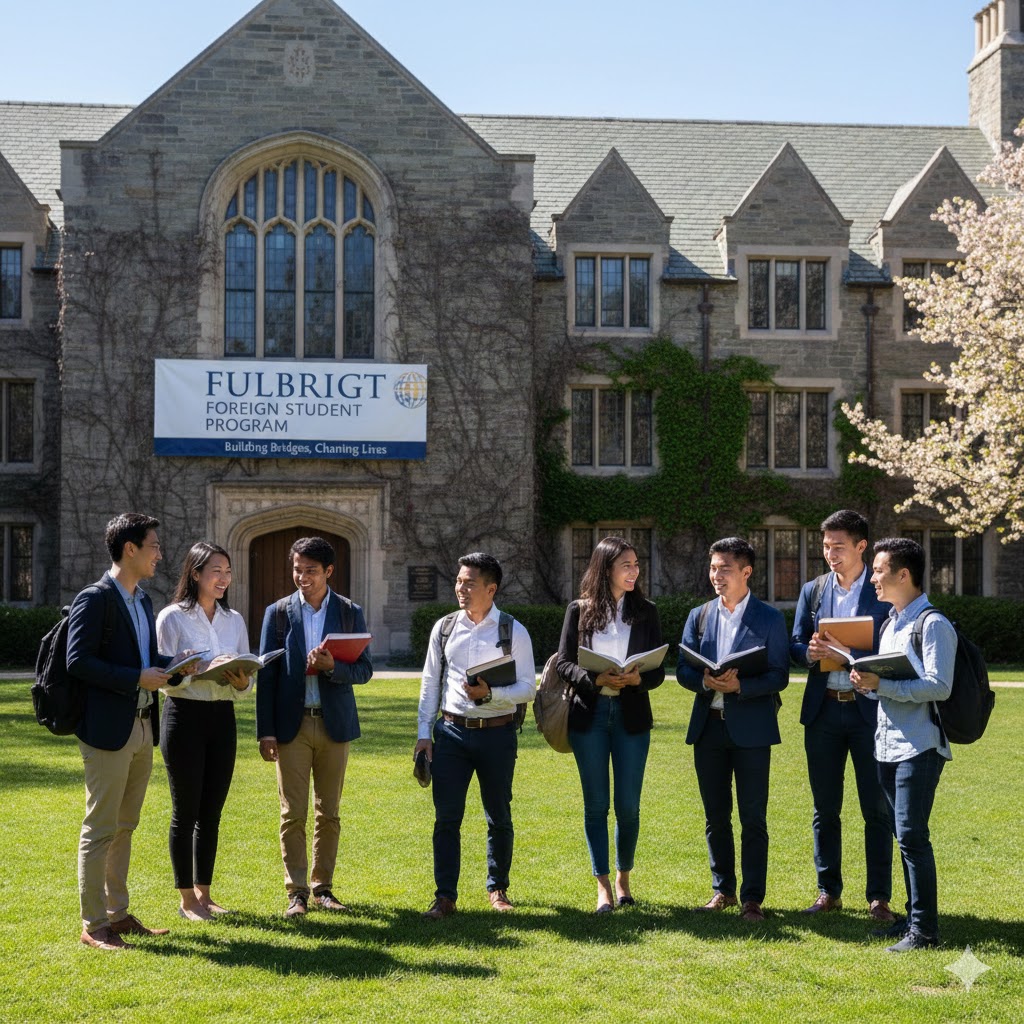
A Deeply Enriching Cultural Experience
One of the most valuable aspects of the Fulbright Foreign Student Program goes far beyond the classroom. Scholars live in communities across the United States, engage with American students and faculty, and participate in cultural enrichment activities. Whether attending local festivals, volunteering, joining student organizations, or sharing traditions from their home countries, Fulbrighters become ambassadors of global understanding.
These cultural exchanges help break stereotypes, encourage dialogue, and foster friendships that last long after the program ends. In many ways, the cultural learning that takes place is just as transformative as the academic knowledge gained.
A Network That Lasts a Lifetime
Becoming a Fulbright scholar also means joining a vast international network of alumni who continue to make an impact in their home countries and beyond. Fulbright alumni include world leaders, researchers, entrepreneurs, diplomats, artists, and activists. Many credit the program as the foundation for their careers and global perspectives.
This alumni community becomes a lifelong resource, offering mentorship, partnerships, and professional opportunities. The network spans more than 160 countries and continues to grow every year, making it one of the most influential scholarly communities in the world.
How Competitive Is the Program?
There’s no denying that the Fulbright Foreign Student Program is competitive. Applicants are expected to demonstrate strong academic records, clear goals, and a commitment to contributing to their home communities. However, Fulbright values more than high grades. Leadership potential, community service, creativity, and a compelling personal story often hold equal weight.
Because each participating country manages its own application process, requirements and deadlines vary. Some countries place more emphasis on research proposals, while others prioritize professional experience. What remains consistent across all programs is the search for applicants who want to make a meaningful difference in the world.
Tips for Preparing a Strong Fulbright Application
Although every applicant’s journey is unique, several strategies can help strengthen a Fulbright application:
1. Start Early
The application includes essays, recommendation letters, transcripts, and sometimes language test results. Starting early gives you time to refine your ideas and seek guidance.
2. Craft a Clear and Purposeful Statement
Fulbright reviewers want to understand your goals, why you chose your field of study, and how your experience will contribute to both the U.S. and your home country. Authenticity matters more than perfection.
3. Demonstrate Leadership and Impact
Highlight community projects, volunteer roles, workshops, or initiatives you’ve led. Fulbright seeks individuals who actively improve their communities.
4. Choose Recommenders Wisely
Select people who truly know your strengths, aspirations, and growth. Strong letters can significantly influence your application.
5. Show Cultural Awareness
Because Fulbright is about promoting mutual understanding, showing respect for different cultures and a willingness to engage openly is essential.
What Happens After Selection?
Once selected, scholars undergo a pre-departure orientation to prepare for academic life in the United States. They learn about American culture, the expectations of U.S. universities, and the support systems available to them.
Throughout their stay, scholars participate in enrichment seminars and social events that bring together Fulbrighters from various academic fields. These gatherings offer opportunities for collaboration and help scholars understand the broader impact of their work.
After completing the program, scholars return home with new knowledge, skills, and connections that empower them to contribute to their country’s development. Many go on to assume leadership roles in government, education, research, business, and community organizations.
Why the Fulbright Foreign Student Program Matters Today
In a world facing challenges such as climate change, political polarization, global inequality, and technological disruption, programs like Fulbright play a vital role. They cultivate leaders who can think globally, collaborate across borders, and bring diverse perspectives to complex issues.
The program not only changes the lives of individual scholars but also strengthens international cooperation. Every Fulbright participant becomes a symbol of hope, demonstrating that education and cultural understanding can bring people together—even in difficult times.