James Ransone, US Actor Known for The Wire, Dies Aged 46
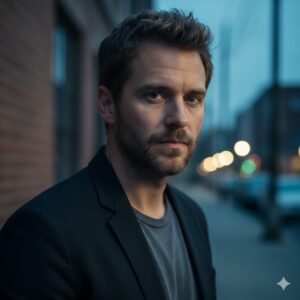
James Finley Ransone III, a highly respected American character actor best known for his breakout role as Chester “Ziggy” Sobotka in HBO’s acclaimed crime drama The Wire, has died at the age of 46. According to the Los Angeles County Medical Examiner’s Office, Ransone’s death on December 19, 2025, was ruled a suicide. The news has prompted an outpouring of grief from colleagues, fans, and critics around the world, as well as renewed conversations about mental health and the pressures faced by performers and artists.
A Life Rooted in Baltimore
James Ransone was born on June 2, 1979, in Baltimore, Maryland, to Joyce (née Peterson) and James Finley Ransone II, a Vietnam veteran. Growing up, he showed an early interest in the arts and attended the Carver Center for Arts and Technology in Towson, where he studied theater and began developing his craft. His upbringing in Baltimore — the very city that would later become the setting of The Wire — gave him unique insight into the kinds of gritty, authentic characters he came to portray so memorably on screen.
Ransone’s journey into acting was not always easy. Like many performers, he had his share of personal obstacles and early setbacks. But his talent and commitment eventually brought him opportunities to work with notable directors, ensembles, and creative collaborators across television and film.
Breakout Role: Ziggy Sobotka in The Wire
Ransone’s career breakthrough came in 2003 when he was cast as Ziggy Sobotka in the second season of The Wire, creator David Simon’s critically lauded HBO drama that examined corruption, class struggle, drug trafficking, and institutional failure in Baltimore. Ziggy — a raw, impulsive, and deeply troubled dockworker entangled in crime and misfortune — quickly became one of the most memorable figures in a series filled with complex, nuanced characters. Ransone appeared in all 12 episodes of the season and earned praise for his ability to blend humor, vulnerability, desperation, and explosive unpredictability in the role.
While The Wire did not immediately achieve mass commercial success, it became a touchstone of modern television drama over time, with its ensemble cast remembered as some of the finest in recent decades. Ransone’s portrayal of Ziggy continued to resonate with audiences long after the series ended, cementing his place in television history.
A Versatile Career Across TV and Film
Following The Wire, Ransone’s career expanded into a diverse array of projects in both television and film, showcasing his versatility and depth as an actor:
- In 2008’s Generation Kill, another HBO production, he portrayed Corporal Josh Ray Person, a real-life U.S. Marine, across all seven episodes of the critically praised miniseries about the Iraq War. (Wikipedia)
- He appeared in acclaimed independent films including Ken Park (2002) and Tangerine (2015), demonstrating his range beyond conventional character work. (Wikipedia)
- In horror cinema, Ransone earned wider mainstream visibility playing Eddie Kaspbrak in the ensemble cast of It Chapter Two (2019), and reprised roles in genre films such as Sinister, Sinister 2, The Black Phone (2021), and Black Phone 2 (2025). (Wikipedia)
- On television he appeared in popular series like Bosch, Treme, SEAL Team, and Poker Face — the last of which counted as one of his most recent screen roles. (New York Post)
Throughout his career, Ransone was noted for bringing an emotional honesty to his performances, whether in gritty dramas, war narratives, or horror films. Directors, co-stars, and critics often highlighted his ability to invest even supporting roles with unforgettable presence and complexity.
Personal Struggles and Public Openness
James Ransone’s life was marked not only by his artistic achievements but also by deeply personal struggles that he did not shy away from discussing publicly.
In 2016, in an interview with Interview Magazine, he spoke candidly about his battle with heroin addiction during his twenties. Ransone described reaching a breaking point in his life before choosing sobriety around age 27 after years of substance abuse — an experience he later credited with shaping his perspective on his craft and his life.
In 2021, Ransone revealed another painful layer of his personal history: that he had been sexually abused as a child by a former tutor. He shared that this trauma had long-lasting effects on his mental health and contributed to periods of addiction and emotional distress. Although he reported the abuse to law enforcement in 2020, no criminal charges were pursued. His public disclosure was widely discussed, with many praiseing his courage in speaking about such a sensitive and stigmatized issue.
His openness about trauma, addiction, and recovery resonated with many admirers and brought attention to the importance of mental health support — especially within industries where emotional vulnerability and personal resilience often intersect.
Circumstances Around His Death
According to official information from the Los Angeles County Medical Examiner’s Office, James Ransone died by suicide on December 19, 2025, at the age of 46. Authorities listed the cause of death as suicide, and no foul play is suspected. Local reports indicate that his body was found at his Los Angeles residence. The announcement did not disclose further details but did confirm the manner of death.
Several news outlets and local reports noted that his death was a tragic loss for his family and the wider creative community. He is survived by his wife, Jamie McPhee, and their two children, though personal statements from his family have not been widely published out of respect for their privacy.
Obituaries and tributes have stressed not only his body of work but the humanity he brought to his performances, underscoring the gap his absence will leave in both film and television.
Reactions From Fans, Peers, and the Industry
News of Ransone’s death spread quickly across social media and entertainment communities, drawing tributes from colleagues, co-stars, and fans alike. Many remembered his performances as memorable, authentic, and distinct, praising his ability to humanize difficult roles and bring emotional depth to every project.
On social platforms such as X and Reddit, fans shared memories of re-watching The Wire, celebrating his moments in Generation Kill, or recalling his contributions to horror films like It: Chapter Two and The Black Phone series. Some fans expressed profound sadness and shock at his passing and highlighted how much his performances meant to them.
Actors and collaborators also offered heartfelt reflections, honoring Ransone’s talent and the collaborative spirit he brought to his work. Many emphasized not just his craft but the relationships he built over years in the industry.
Conversations About Mental Health and Legacy
The circumstances of Ransone’s death have sparked renewed discussions about the importance of mental health awareness, trauma support, and resources for individuals dealing with long-term emotional struggles. His own transparency about addiction and abuse, while deeply personal, has been cited by some advocates as a powerful example of vulnerability that can help others feel less alone.
Mental health professionals and commentators have noted that the entertainment industry — like many high-pressure creative fields — can take a toll on individuals’ emotional and psychological well-being. The conversation around Ransone’s passing has emphasized the need for robust support systems, destigmatization of mental health challenges, and access to care for anyone in distress.
For those affected by the news or dealing with similar struggles, organizations such as the U.S. National Suicide and Crisis Lifeline can be contacted via call or text at 988, or online at 988lifeline.org, where confidential support is available 24/7.
Remembering James Ransone
James Ransone’s legacy spans an extraordinary range of roles and genres — from gritty television drama to visceral horror, and from indie cinema to beloved ensemble casts. Though his life ended tragically, his work continues to endure in widely admired series and films that are frequently revisited and appreciated by audiences around the world.
His portrayal of Ziggy Sobotka on The Wire alone would have secured a lasting place for him in television history. But his contributions extended far beyond that one role, encompassing thoughtful performances in dramatic war narratives, character-driven indie films, and mainstream horror franchises.
Professionally, Ransone was respected for both his technical skill as an actor and the emotional accessibility he brought to complex characters. Personally, many remembered him as a candid voice on trauma and recovery — someone who was willing to discuss uncomfortable truths and use his platform to foster awareness.
Though James Ransone’s life was cut tragically short, his influence remains embedded in the stories he helped tell and the performances that made those stories resonate. The depth of his work and the responses it continues to elicit speak to a talent that was both compelling and authentic.
Summary: James Ransone, the American actor famed for roles such as Ziggy Sobotka in The Wire and Eddie Kaspbrak in It: Chapter Two, has died at age 46. His death was ruled a suicide. Beyond his roles in television and film, he was known for his candor about personal struggles — including substance addiction and childhood trauma — and his legacy prompts renewed conversations about mental health in the entertainment industry.
If you’d like, I can also produce a shorter tribute version focusing on his career highlights and greatest performances. Would you like that next?